
People exhaust me. I mean that in the nicest way possible – I really do. I’m not trying to sound like an asshole, although I come across that way sometimes. It’s just, I’m an introvert. Most people think of introverts as being shy, but I am not a shy introvert. Thanks to a career in sales for the past 17 years, I know how to talk to people and am what you would consider an outgoing introvert. I’ve practiced and rehearsed. I know how to fake it, and sometimes I even enjoy it. But the truth is, people exhaust me.
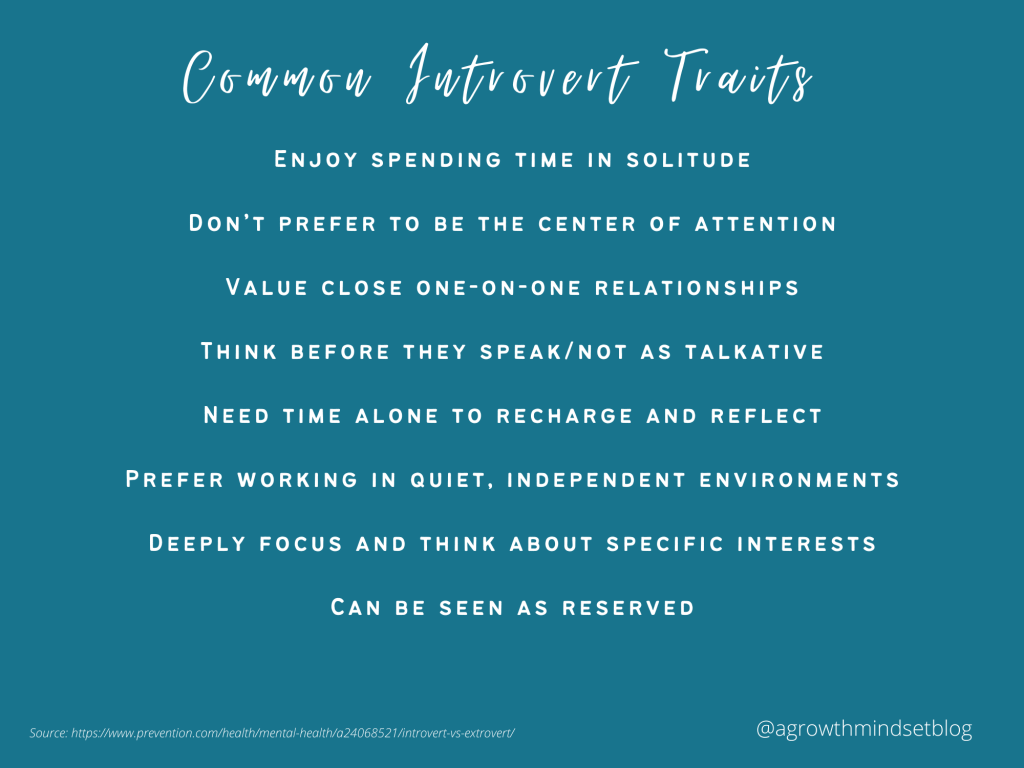
Until my early thirties, I never knew I was an introvert. I honestly had never given the concept of introversion or extroversion much thought. For years, I always thought something was wrong with me. There were times, especially during moments of small talk, when I didn’t quite know how to talk to people. Often, I ran out of things to say. Or I would want to exit a conversation suddenly and immediately, feeling overwhelmed by the prospect of talking any longer. What I ended up learning, is that my “battery” was just getting drained, and I needed time to recharge.
I would also watch friends and family members who had these large social networks and think: What is the matter with me that I can’t have a community like that? Why don’t I have more friends? How come I don’t know more people?
LEARNING I WAS AN INTROVERT
During a counseling session several years back, I was sharing some things with my therapist when said suddenly, “You’re an introvert.” My first thought – and first words back to her – were, “No, I’m not.”
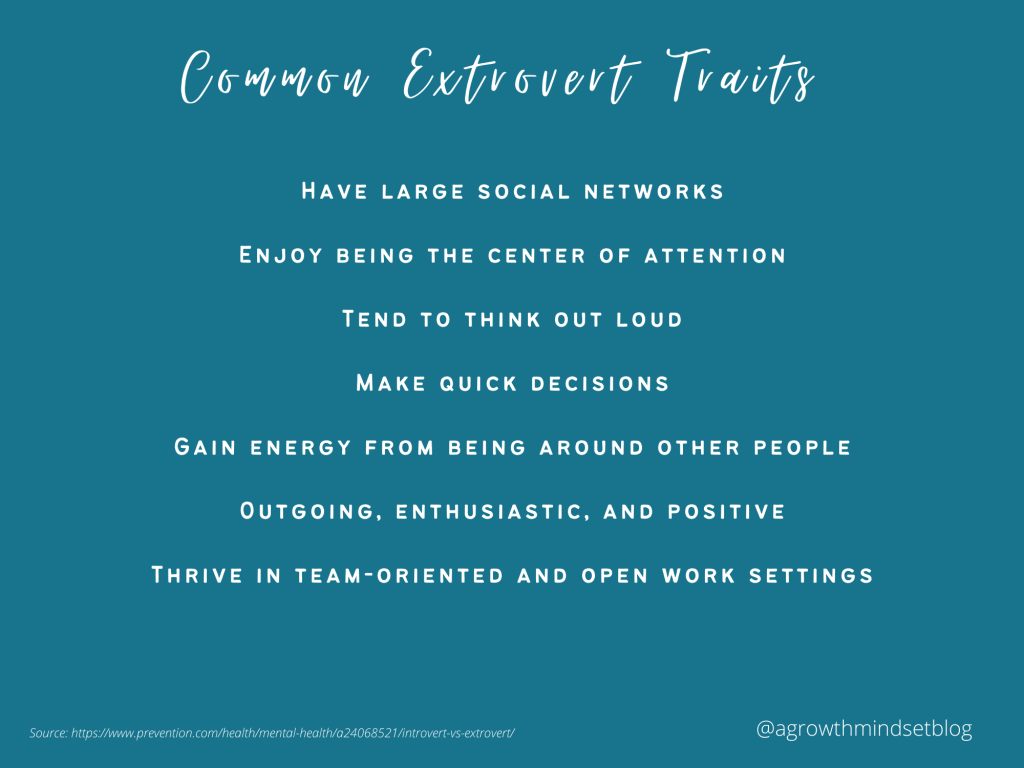
In my mind, introverts were shy people – I was definitely not shy. She explained to me what an introvert actually was and how that was different from being an extrovert. For starters, she said, an extrovert gets energy from being around people. Introverts are the exact opposite – and man, was I the exact opposite. Introverts, she told me, need alone time to recharge.
My therapist didn’t know it at the time, but she just freed me from a whole lifetime of not understanding myself. Like I said, I always thought something was wrong with me, but she explained myself to me in one simple sentence. Everything clicked. Nothing made more sense than to learn I was an introvert.
IT’S IMPORTANT TO KNOW OURSELVES
I share all of this to say: It is so important to know ourselves. Personal development and the idea of learning to be better versions of ourselves only works if we know ourselves to begin with.
For years I would try to change, stuffing myself into a box labeled, “This is What My Life Should Look Like.” But I didn’t know myself, and I didn’t understand who I actually was. And so I sold myself short. I asked myself to be someone I wasn’t, someone it was impossible for me to be, and I set unreasonable expectations for myself. It wasn’t until that counseling session where I learned I was an introvert that I began to understand what I could ask of myself.
It is equally important to understand where your significant other, parents, children, friends, etc. fall in terms of being introverts or extroverts. Knowing this about the important people in your life can help you have a better understanding of them, and when we understand people, we can have better relationships with them.
NO TWO PEOPLE ARE ALIKE
It is also important to know that being an introvert or an extrovert doesn’t always look the same from one person to the next. There is a whole scale between the two – a broad spectrum for how the two personalities could manifest themselves in different people.
“Most of us think being introverted or extroverted is as simple as falling into one of two boxes: Would you rather stay at home on a Friday night in your pajamas or go out to the bars with a big group of friends? Would you rather be the center of attention or stay as far away from the spotlight as you can?
But the truth is, your personality is not that black and white. ‘There are no pure types in psychology,’ says Dan McAdams, PhD, chair of the psychology department at Northwestern University. ‘Extroversion/introversion is a continuous dimension, like height and weight. There are people who score at the extremes, like very heavy people, or very tall people, or people who score very high on the trait of extroversion—but most people fall in the middle of these bell-shaped curves.’”
Source
If you would like to read more about introverts and extroverts, here are some articles that I found helpful:
https://positivepsychology.com
Until next time,
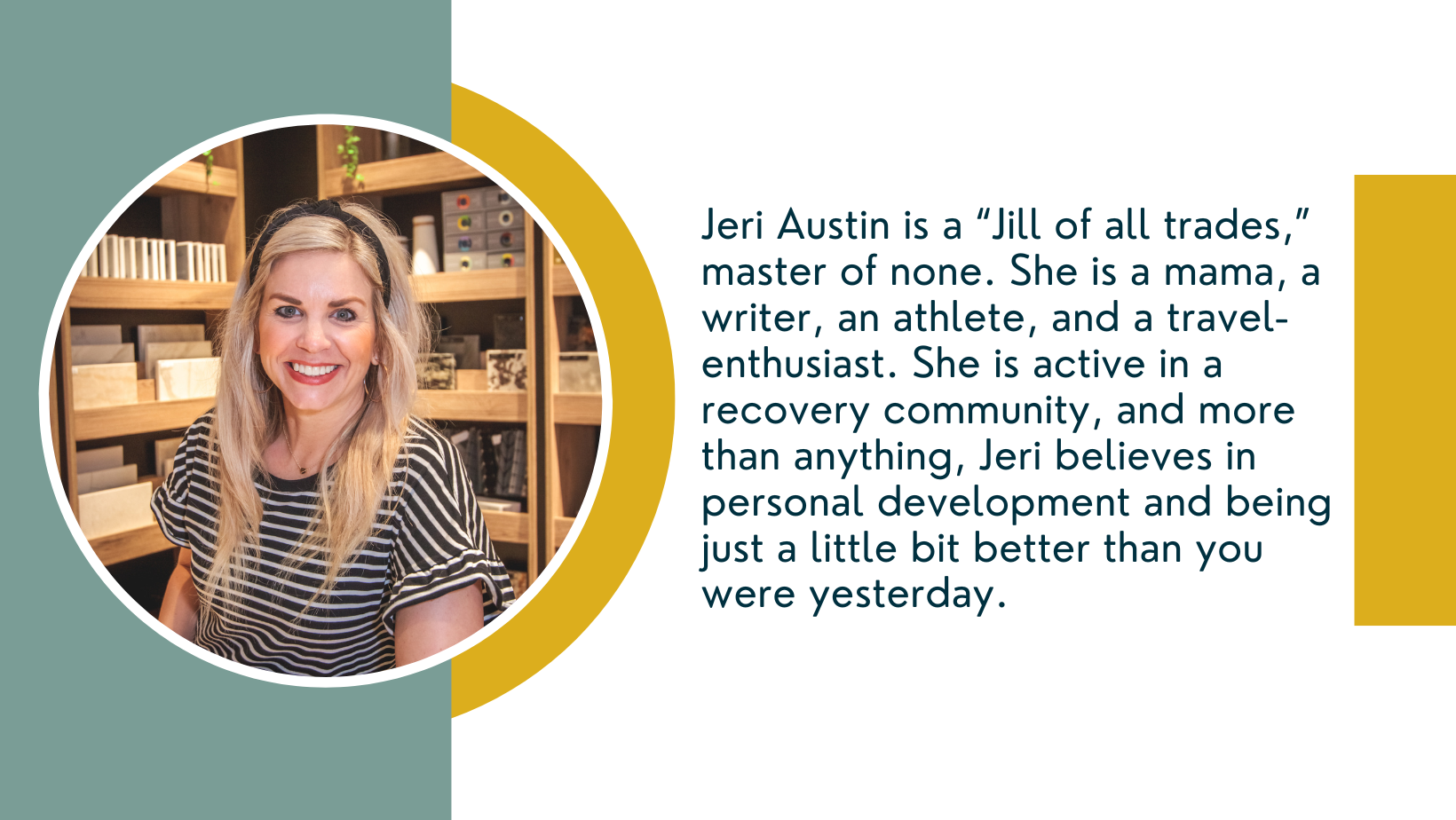
Jeri Austin
 A Growth Mindset
Leave a comment